
Aviation
Training Support
Frameworks, moulage, and realism for cabin crew, on-board medical practitioners, and aviation incident investigators to practise their own training and procedures. Built to the constraints of the cabin.
Discuss your training
Normalise the
Abnormal
In-flight medical events happen without warning, in a constrained space, often far from critical care. We can help cabin crew, on-board medical practitioners, and incident investigators to train effectively for likely scenarios. SIMFX® provides the framework, moulage, and realism to bring training closer to the real thing.
Get in TouchTrained in the cabin,
ready on the day
We provide scenario support to help build cabin crew preparedness and resilience. We can assist with SEP, triennial, and operator-specific scenarios using cabin-realistic moulage and casualty actors. Tailored to your operation, your training centre, and your aircraft type.
Discuss crew preparedness
Simulate.
Inoculate.
We apply clinical-grade moulage to live actors, creating wounds, rashes, and casualty signs that read as real. Cabin crew see them, treat them, and remember them.
Exposure happens in a safe, controlled training environment. The first time a crew member meets the signs of anaphylaxis, a burn, or a head injury is not on a real flight. Repeated, controlled doses of the real thing build a calm and accurate response on the day it arrives.
Find out more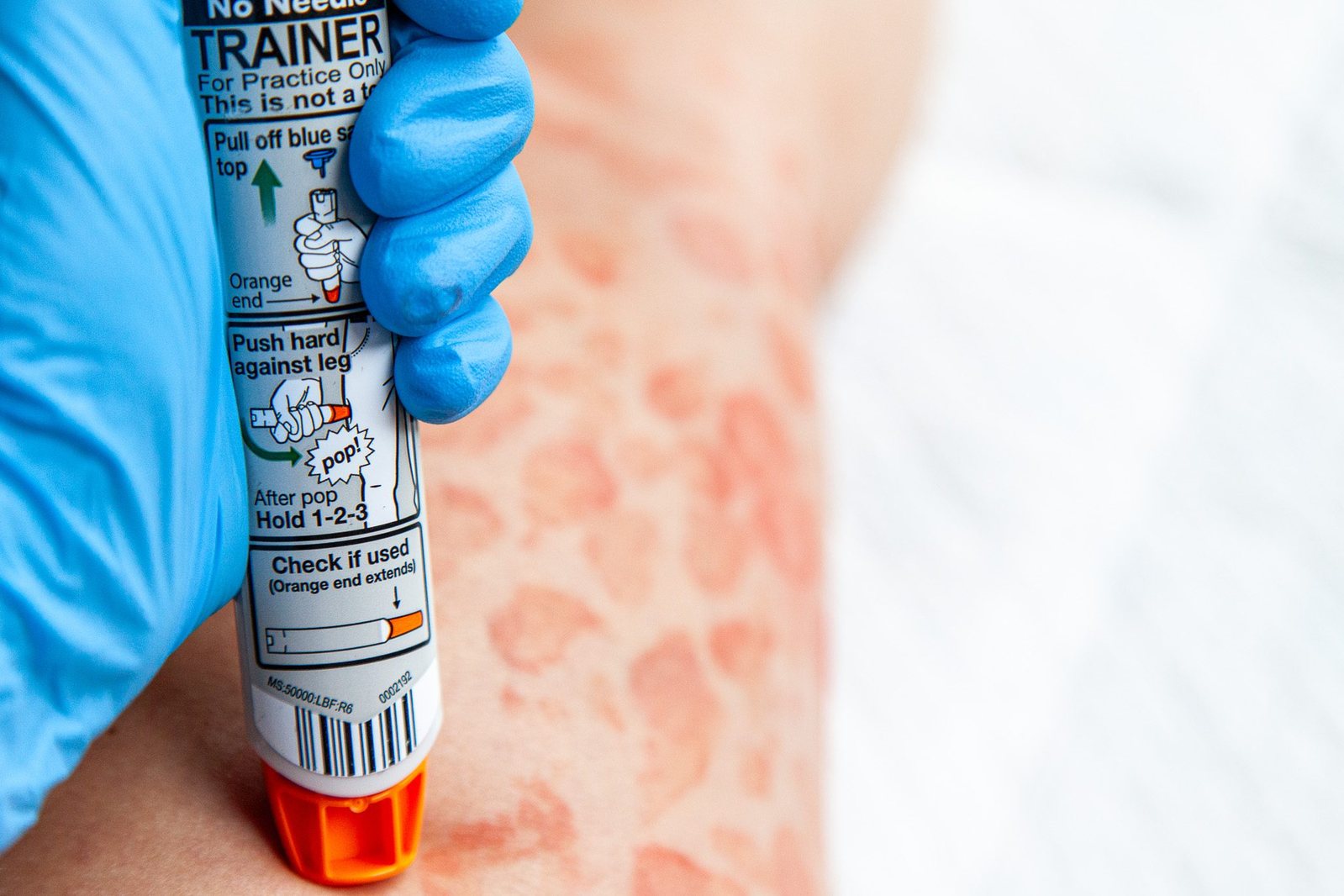
Dedicated support
for aviation scenarios
Each service can be commissioned independently or combined into a full training package. All work is tailored to the operation.
We work alongside cabin crew preparation schools, colleges, airline operators, and aviation safety teams. The fidelity, injury set, and complexity are matched to your assessment intent. You bring the training and procedures. We provide the realism.
Cabin Crew Preparation
Scenario design and moulage for Safety and Emergency Procedures (SEP) and triennial training.
- Burns, scalds, anaphylaxis and other common in-flight medical events
- Communication protocols with pilots and third-party agencies
- Crowd control and evidence handling
- Documentation and post-incident reporting
For cabin crew schools, colleges and airline operators
Doctor on Board Preparation
Familiarisation training for practitioners likely to respond to a medical event as a passenger.
- Common in-flight medical equipment
- Cabin procedures and communication protocols
- The practical limitations of care in the air
For general and other medical practitioners
Incident Investigation Support
Moulage and resources to bring your aviation training scenarios to life.
- Realistic injury sets and casualty preparation
- Exercise support for investigators and responders
- Your procedures, enhanced by our realism
See Scenario Support for our wider delivery model
We’ve flown the line
Our Directors have decades of airline experience across cabin, flight deck, simulator, training and examining roles.
That experience means we know the environment, the pressures, the procedures and the regulatory requirements at first hand.
That makes us unique in the moulage and trauma simulation industry.
Concept to training,
step by step
Each aviation engagement follows the same four stages, tailored to the operation. We can join at any point.
Whether you are preparing cabin crew, briefing on-board medical practitioners, or running an incident investigation exercise, the process is the same: understand the context, design the scenario, deliver on the day, hand it back.
A scoping conversation about the operation, the training context (cabin crew school, airline operator, investigation team), the assessment intent, and the constraints of the training environment.
Detailed scenario package tailored to the cabin context: casualty profile, in-flight medical event timeline, expected crew response, equipment limitations, and reporting requirements, which we sign off with you before delivery.
On-site moulage application before each scenario, live refresh between sessions, and fidelity support throughout. Our team works alongside your instructors without taking over.
Optional debrief support and post-training notes. Materials left with your team so the standard developed for this training is reusable for the next cohort.